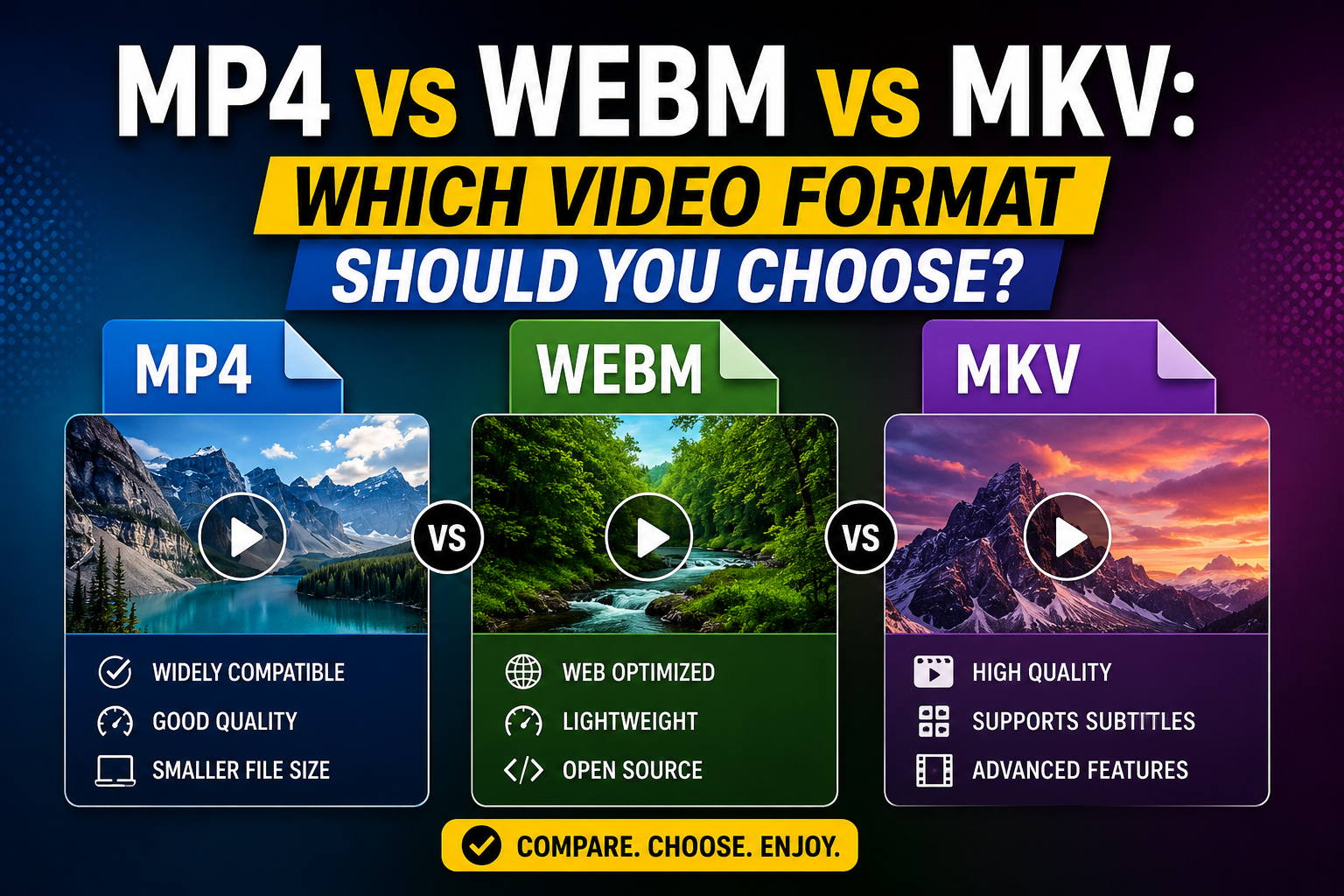

The online video downloader space has changed considerably over the past several years — from clunky, single-purpose tools to genuine workspaces that handle search, preview, and download in one place. Looking ahead, several clear trends are already shaping where this category is headed next.
From Single-Input Boxes to Full Workspaces
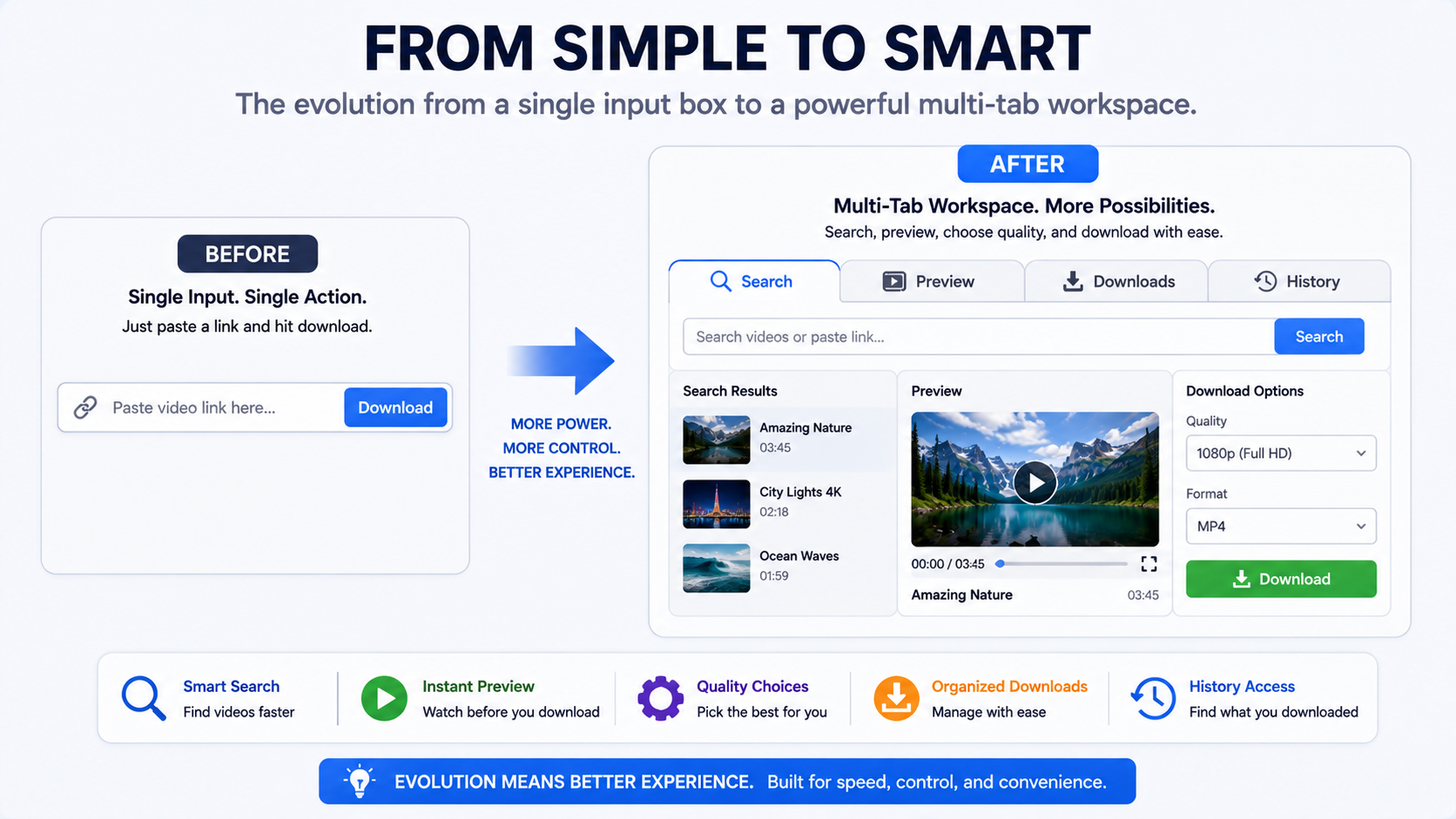
The earliest video downloader sites were essentially a single text field: paste a link, get a file. That model is increasingly being replaced by full workspaces that combine multiple ways of finding content — direct URL input alongside keyword and creator search — with clearer feedback throughout the process. This shift reflects a broader recognition that not every user starts with a link in hand; plenty of people remember a creator or topic but don't have the exact URL, and a modern downloader needs to account for that reality.
White Hole is a clear example of this shift already in motion, offering both URL Download and Search Download within a single, connected workflow rather than treating link input as the only entry point.
Increasing Focus on Transparency and Trust
As the downloader space has matured, tools that rely on forced pop-ups, misleading buttons, and vague claims about capability have started losing ground to more transparent alternatives. Users have grown more aware of what a trustworthy tool looks like — clear progress feedback, honest disclaimers about limitations, and no unnecessary sign-up requirements. This trend toward transparency is likely to continue, partly driven by user preference and partly by increasing scrutiny from search engines and ad platforms around low-quality, deceptive site design.
Broader Platform Coverage as the Standard Expectation
Single-platform downloaders are becoming less competitive as user expectations shift toward all-in-one coverage. Rather than maintaining separate bookmarks for a YouTube specific tool, an Instagram-specific tool, and a TikTok-specific tool, users increasingly expect one workspace to handle all of it. This trend favors tools actively investing in maintaining compatibility across a wide and growing range of platforms, rather than tools built narrowly around a single site.
The Emergence of API Access for Developers
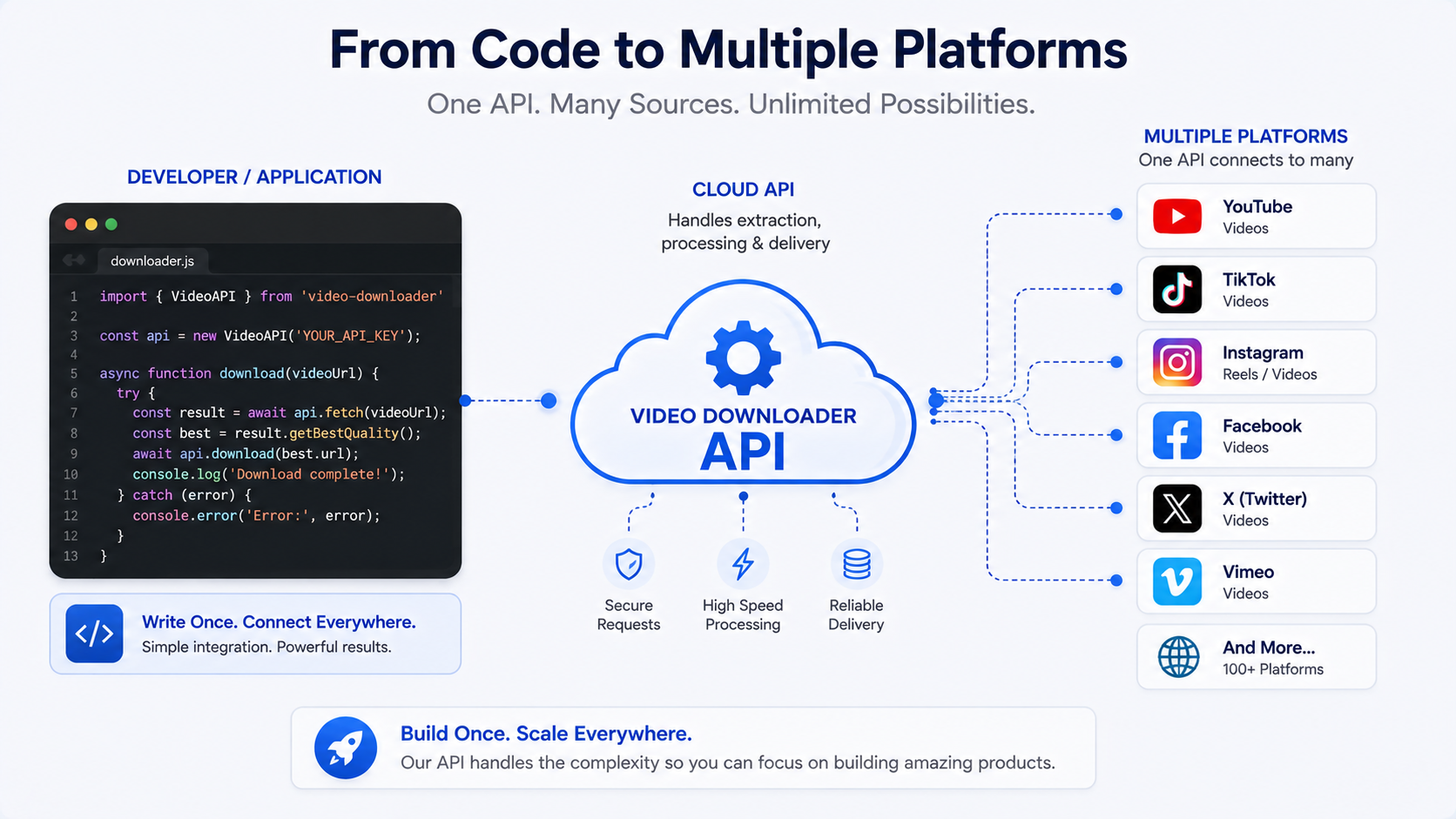
As video downloading matures as a category, a natural next step is opening up programmatic access for developers who want to integrate downloading capability into their own tools and workflows, rather than relying solely on a manual, browser-based interface. This mirrors how many consumer-facing tools eventually develop a developer facing API layer once the core product is stable — enabling things like automated archiving, bulk processing integrated into other software, and custom applications built on top of reliable download infrastructure.
Subscription and Tiered Models Alongside Free Access
As downloader tools add more advanced capabilities — faster processing, higher usage limits, batch downloading, API access — a natural progression is introducing paid tiers alongside a continued free offering for everyday use. This allows casual users to keep accessing core functionality at no cost, while creators, developers, and businesses with heavier or more specialized needs have a path to additional capability. The key to this model working well is keeping the free tier genuinely useful on its own, rather than artificially limiting it to push users toward paid plans.
Better Mobile-First Design
Early downloader tools were often built primarily for desktop, with mobile support added as an afterthought. As mobile usage continues to dominate overall internet traffic, tools that are designed mobile-first — or at minimum, equally well for both — are increasingly the ones that succeed. This includes not just responsive layouts, but genuinely rethinking interaction patterns for touch interfaces rather than simply shrinking a desktop design.
Smarter Search and Discovery
As search capabilities within downloader workspaces mature, expect increasingly refined ways to find content beyond a simple keyword match — filtering by platform, creator, or content type, and surfacing more relevant results faster. This connects to the broader shift from single-input tools toward full discovery-and-download workspaces described earlier.
Continued Emphasis on Quality Preservation
As displays continue trending toward higher resolutions and users become more attentive to quality differences, downloader tools that cut corners with unnecessary compression or added watermarks are likely to lose ground to tools that explicitly prioritize preserving original quality. This is already a meaningful differentiator, and it's likely to become even more central as user awareness of the issue grows.
What This Means for Choosing a Downloader Today
If you're choosing a video downloader now, it's worth favoring tools that are already moving in these directions rather than ones stuck in the older, single-input, ad-heavy model. A tool actively expanding platform coverage, maintaining transparency, investing in mobile design, and signaling future plans for expanded capability (like API access) is more likely to remain genuinely useful as the category continues to evolve, rather than becoming outdated.
The Role of AI in Future Downloader Tools
Artificial intelligence is likely to play a growing role in how downloader tools function, though probably in more understated, practical ways than flashy marketing might suggest. Rather than AI being a headline feature, expect it to show up in areas like improved search relevance (better matching a vague description to the right video), automatic detection of the highest available quality source, and smarter handling of edge cases like malformed or unusual links. This kind of behind-the-scenes improvement tends to be more genuinely valuable to users than surface-level AI branding, since it directly improves reliability and ease of use without requiring the user to understand or interact with the underlying technology at all.
Increasing Attention to Legal and Ethical Clarity
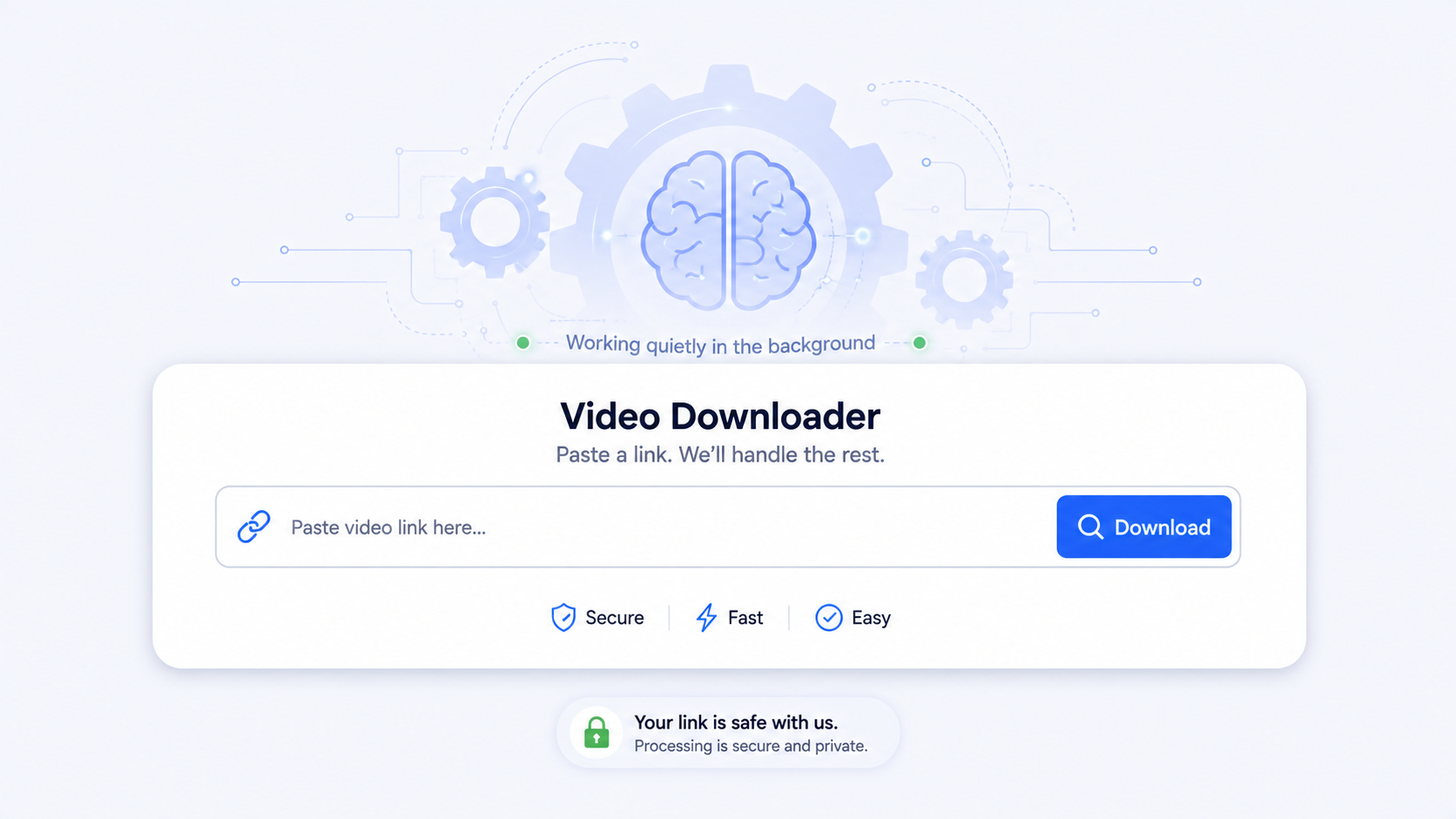
As the downloader category matures, expect continued movement toward tools that are explicit and upfront about intended use — public content, personal archiving, creator backups, and educational reference — rather than vague, catch-all marketing that implies unlimited capability. This isn't just a compliance consideration; it genuinely improves user trust, since people increasingly gravitate toward tools that are honest about their scope rather than ones that overpromise and then quietly fail on unsupported content.
Frequently Asked Questions
Will video downloaders eventually require payment for all features?
Likely not entirely — the trend points toward tiered models where core, everyday functionality remains free, with paid tiers layered on top for advanced or high-volume use cases.
Is API access for video downloaders a common feature yet?
It's an emerging trend rather than a universal standard, with more tools expected to introduce this as the category matures and developer demand grows.
Why does platform coverage keep expanding?
User expectations have shifted toward all in-one convenience, making narrow, single-platform tools less competitive over time.
Is White Hole planning to introduce API or subscription options?
Yes, expanded Pro and API plans are part of White Hole's roadmap, building on top of the free, no-sign-in core experience that remains the foundation of the tool.
Cross-Device and Cross-Platform Consistency Will Keep Improving
As users increasingly move between devices throughout a single day — starting a task on a phone, continuing on a laptop, checking back on a tablet — the expectation for consistent behavior across all of them will keep rising. Future downloader tools are likely to lean further into this, potentially including features like synced recent history across devices (while still respecting the no-account, privacy-conscious approach many users prefer) and interface designs that feel genuinely native to whichever device you're using, rather than a compromise between desktop and mobile.
Final Thoughts
The online video downloader space is moving toward broader coverage, greater transparency, smarter discovery, and expanded capability for developers and power users — all while keeping core, everyday functionality accessible and free. Tools that are already building in this direction, like White Hole, are better positioned to remain genuinely useful as user expectations and platform behavior continue to evolve.